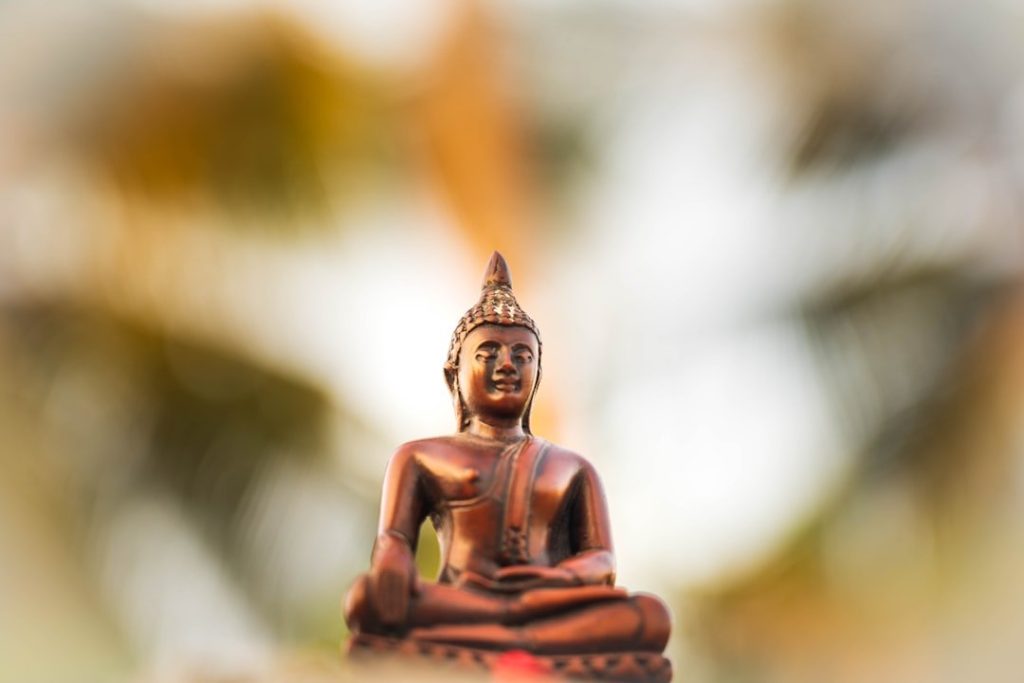

Introduction to Mindful Living

In the relentless pace of modern life, a quiet revolution is taking place. It is a shift towards mindful living, a practice rooted in ancient wisdom that offers a profound sense of inner peace. This lifestyle is not about adding more tasks to your to-do list; it is about changing your relationship with the experiences you already have. It is the art of being fully present and engaged in the current moment, without judgment. By cultivating this awareness, you can navigate life’s inevitable challenges with greater calm, clarity, and compassion, transforming your inner world and, consequently, your outer reality.
What is Mindfulness?

At its core, mindfulness is the basic human ability to be fully present. It means being aware of where we are and what we are doing, without being overly reactive or overwhelmed by what is going on around us. While mindfulness is a quality we all naturally possess, it becomes more readily available to us when we practice it daily through formal meditation and informal daily exercises. It involves paying attention to our thoughts, feelings, bodily sensations, and the surrounding environment with a gentle, nurturing lens. It is about observing the chatter of the mind without getting caught up in its stories.
The Pillars of a Mindful Lifestyle
Adopting a mindful lifestyle is built upon several key pillars that work together to foster inner peace.
- Present-Moment Awareness: This is the foundational practice of bringing your attention back to the here and now. Instead of dwelling on the past or worrying about the future, you learn to anchor yourself in the current experience, whether it is washing dishes or listening to a friend.
- Non-Judgmental Observation: Mindfulness encourages you to witness your thoughts and feelings without labeling them as good or bad. You learn to see them as passing mental events, like clouds in the sky, which reduces their power to cause emotional distress.
- Acceptance: This involves allowing things to be as they are in the present moment, even if they are uncomfortable. It is not about passive resignation but about acknowledging reality clearly so you can respond to it more effectively, rather than reacting from a place of resistance.
- Self-Compassion: A mindful lifestyle is inherently kind. It teaches you to treat yourself with the same care and understanding you would offer a good friend, especially during times of failure or difficulty.
Practical Ways to Cultivate Mindfulness
Integrating mindfulness into your daily routine does not require a complete life overhaul. Small, consistent practices can yield significant results over time.
Formal Meditation Practice
Setting aside a specific time for meditation is the most direct way to train your mind. You can start with just five to ten minutes each day.
- Breath Awareness: Sit comfortably and focus your attention on the physical sensation of your breath entering and leaving your body. When your mind wanders, as it will, gently guide it back to the breath without criticism.
- Body Scan Meditation: This practice involves slowly moving your attention through different parts of your body, from your toes to the top of your head, noticing any sensations without trying to change them.
Informal Daily Mindfulness
This is about bringing mindful awareness to the activities you already do.
- Mindful Eating: Instead of eating in front of a screen, take time to appreciate your food. Notice its colors, textures, and aromas. Chew slowly and savor each bite.
- Mindful Walking: Whether you are walking to your car or for exercise, pay attention to the physical sensations of movement. Feel your feet connecting with the ground and the air on your skin.
- Mindful Listening: When in conversation, try to listen with your full attention, without formulating a response in your mind. This deepens connections and reduces misunderstandings.
The Science Behind Mindfulness and Inner Peace
The benefits of mindful living are not just anecdotal; they are backed by a growing body of scientific research. Studies using neuroimaging have shown that regular mindfulness practice can physically change the structure and function of the brain. It can increase the density of gray matter in regions associated with learning, memory, and emotion regulation, while shrinking the amygdala, the brain’s fear center. This neurological shift translates into tangible life benefits: reduced symptoms of anxiety and depression, improved focus and cognitive flexibility, lower blood pressure, and enhanced immune response. By calming the nervous system, mindfulness creates a physiological state that is the very opposite of the stress response, paving the way for a durable sense of inner peace.
Overcoming Common Challenges
Beginning a mindful practice comes with its own set of hurdles. Recognizing them is the first step to moving past them.
- The “Busy Mind”: Many people believe they are failing at mindfulness because their mind is constantly wandering. It is crucial to understand that the act of noticing your mind has wandered and gently bringing it back is the practice. It is a repetition of this process that builds the mental muscle of awareness.
- Finding Time: The belief that you do not have time is often the biggest obstacle. The solution is to start small. A few minutes of meditation or one mindful activity per day is a perfect and sustainable beginning.
- Impatience for Results: Inner peace is a journey, not a destination. It is cultivated over time through consistent practice. Let go of expectations and trust the process.
Cultivating a Deeper Sense of Inner Peace
As your mindfulness practice deepens, it begins to permeate every aspect of your life, leading to a more profound and resilient inner peace. You start to recognize that your thoughts and emotions are not the totality of who you are; they are temporary states that you can observe. This creates a space between a triggering event and your reaction to it. In that space, you find freedom and choice. You can choose to respond with patience instead of anger, with compassion instead of criticism. This shift does not mean you will never feel negative emotions again, but you will relate to them differently. You will see them as waves on the ocean—they rise, they stay for a while, and they inevitably fall away, while the deep ocean of your awareness remains calm and undisturbed.
Conclusion: Your Journey to a Peaceful Life
Mindful living is a compassionate and practical path to inner peace. It is a return to the simplicity of the present moment, a reclamation of your own attention from the distractions of the world. By committing to this lifestyle, you are not seeking to escape life’s difficulties but to meet them with a steadier heart and a clearer mind. The journey begins with a single, conscious breath. Start where you are, use the tools that resonate with you, and be kind to yourself along the way. The peace you seek is not somewhere in the future; it is available to you right here, right now, in this very moment.


