
Beyond the Strip: The 2026 NFL Season in Las Vegas and the Evolution of a Sports Destination
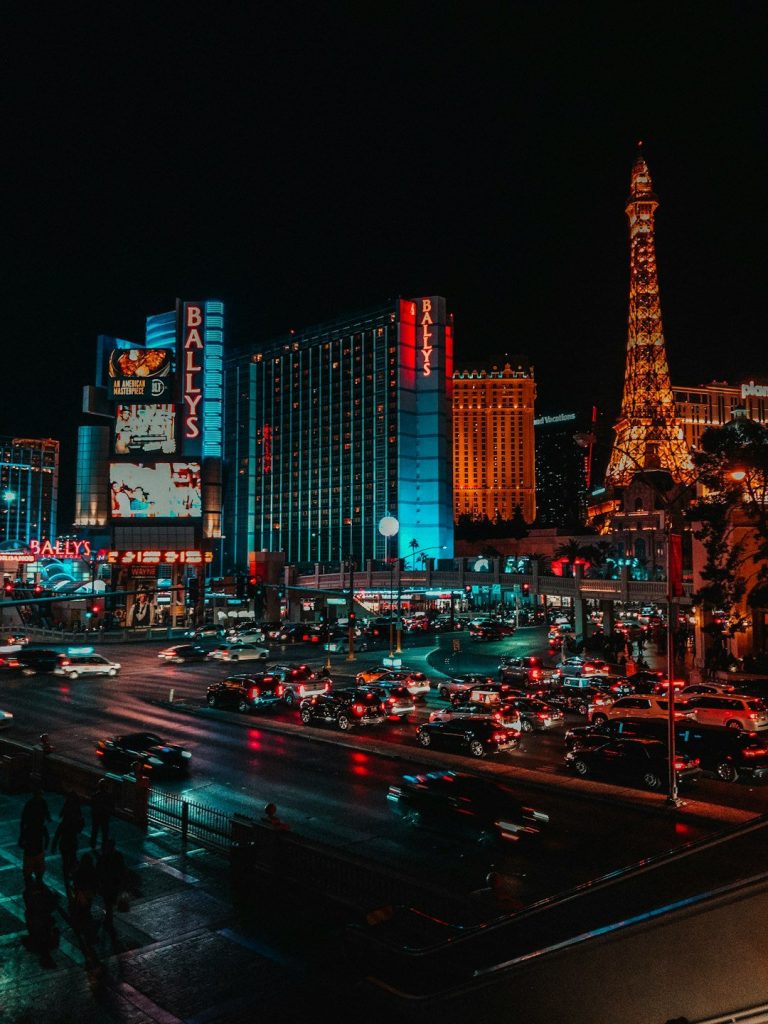
The neon glow of the Las Vegas Strip has long been synonymous with high-stakes entertainment, but the chips on the table are no longer just in casinos. Since the arrival of the Raiders, Las Vegas has methodically reshaped its identity, transforming from a gambling mecca into a bona fide major league sports capital. The 2026 NFL season in this city represents far more than a slate of games; it is a culmination of this strategic metamorphosis and a glimpse into the future of live sporting events. For fans planning a pilgrimage, understanding this context is as crucial as knowing the kickoff times. This article will navigate the anticipated landscape of NFL games in Las Vegas for 2026, offering concrete insights into dates, ticketing strategies, and the unique experience that awaits beyond the gridiron.
The 2026 Calendar: A Symphony of Scheduling Nuances
While the official NFL schedule for 2026 will not be released until spring of that year, the league’s structured rotation allows for precise forecasting. The Raiders’ home opponents are already determined, painting a clear picture of the marquee matchups that will define the season at Allegiant Stadium.
The Raiders’ home schedule will feature games against their three AFC West rivals: the Kansas City Chiefs, Los Angeles Chargers, and Denver Broncos. Each divisional game carries playoff implications and an intensity magnified by the intimate, roaring atmosphere of Allegiant Stadium. Imagine the palpable tension as Patrick Mahomes steps onto the field under the stadium’s translucent dome, the silver and black crowd creating a deafening wall of sound—a stark contrast to the typically neutral tourist crowds found elsewhere in the city.
Beyond the division, the AFC rotation brings in the East division, meaning visits from teams like the Buffalo Bills, Miami Dolphins, New England Patriots, and New York Jets. A game against a powerhouse like Buffalo offers a compelling clash of styles and passionate traveling fanbases. The NFC opponent rotation for 2026 brings the South division to Las Vegas, promising attractive matchups against teams such as the Atlanta Falcons, Carolina Panthers, New Orleans Saints, and Tampa Bay Buccaneers. A potential game against a storied franchise like New Orleans would blend on-field intrigue with a cultural fusion of fan traditions in the stadium concourses.
The final two home games will be determined by the Raiders’ 2025 standings, matching them against teams that finished in the same position within their divisions in the AFC North and NFC West. This adds an element of suspense; it could yield a glamorous showdown with San Francisco or a gritty battle with Baltimore. Historically, prime-time games (Sunday, Monday, or Thursday nights) are awarded to compelling narratives—rookie quarterback debuts, superstar returns, or playoff rematches. Given Las Vegas’s status as an entertainment hub and Allegiant’s visual appeal for broadcast, it is highly probable that multiple Raiders home games in 2026 will be selected for these national spotlight slots.
Securing Your Seat: A Tactical Guide to 2026 Tickets
Acquiring tickets for an NFL game in Las Vegas requires a strategy that acknowledges both standard sports ticketing dynamics and unique local factors. The process is multi-layered.
The Primary Market: The most straightforward path is via official channels. Raiders Season Ticket Memberships offer guaranteed access but involve a significant long-term commitment and Personal Seat License (PSL) costs. For individual games, single-game tickets typically go on sale through Ticketmaster shortly after the full schedule release in April or May 2026. These sell out within minutes for premium matchups. Setting up accounts and payment information in advance is essential.
The Secondary Market & Strategic Timing: Platforms like StubHub, SeatGeek, and Vivid Seats will be flooded with inventory from season ticket holders and brokers. Here is where actionable insight matters:
- Avoid Peak Demand: Prices skyrocket when schedules are first released and again just before kickoff during game week. For non-marquee opponents (e.g., a late-season game if either team is out of playoff contention), purchasing tickets 2-4 weeks out often yields better value.
- Leverage Las Vegas’s Unique Economy: Unlike Green Bay or Pittsburgh, a significant portion of Allegiant Stadium’s seats are held by corporate interests and tourists. This can work to a diligent fan’s advantage. If large conventions or events are scheduled in Las Vegas on a game weekend (check the Las Vegas Convention Center calendar), demand and prices may inflate. Conversely, quieter weekends may see softer secondary market prices as holders look to offload assets.
- Consider Hospitality Packages: For groups or those seeking an all-inclusive experience, official NFL hospitality packages or those offered by partnered hotels can provide premium seats, food, beverages, and exclusive access areas. These are priced at a premium but eliminate logistical hassles.
The Experience Premium: When budgeting for tickets alone is insufficient preparation for this trip because attending an NFL game in Las Vegas in 2026 is fundamentally different from doing so in other cities.
- Pre-Game Atmosphere: Tailgating exists but is centralized at designated lots like “The Lot” at Allegiant Stadium—a curated festival with food trucks, live music, and celebrity appearances rather than scattered family grills.
- Post-Game Integration: A Raiders victory sends tens of thousands of fans directly onto the Strip or into adjacent casino sportsbooks seamlessly blending game-day excitement with nightlife energy—a uniquely Vegas phenomenon.
- The Venue Itself: Allegiant Stadium’s design ensures every seat has clarity while its indoor climate control provides consistent comfort regardless of Nevada’s extreme temperatures outside making it one most fan-friendly environments league-wide despite its massive size.
A City Transformed: The Lasting Impact
The 2026 NFL season will not occur within vacuum but rather serve as another milestone confirming Las Vegas’s successful transition into full-fledged sports city—an evolution driven by economic diversification beyond gaming tourism toward major event hosting exemplified by Formula 1 Grand Prix events alongside Super Bowl LVIII already scheduled earlier decade demonstrating infrastructure capability handling influxes visitors seamlessly while providing world-class spectator experiences both inside venues throughout metropolitan area itself via transportation networks hospitality services refined over years hosting large-scale conventions now applied sporting context creating blueprint other cities aspire emulate when integrating professional franchises their urban fabric without disrupting existing cultural identities instead enhancing them through new shared communal rituals centered around athletic competition rather than chance alone thus redefining what it means place bet this case emotional investment team community gathering under Saturday night lights desert proving sometimes safest wager belief transformative power sport itself uniting people across backgrounds common purpose celebration human excellence timed perfectly three-hour spectacle leaving lasting memories long after final whistle echoes beneath iconic torch honoring Al Davis’s legacy “Just Win Baby” now echoing throughout entire valley welcoming world its newest playing field where every game feels like premier event because here it truly is one