
The Invisible Link Between Your Home and Your Head

Have you ever walked into a clean, organized room and immediately felt a wave of calm? Or conversely, has a cluttered desk ever made you feel anxious and overwhelmed? These are not mere coincidences. There is a profound and scientifically supported connection between our physical environments and our mental states. The state of your space is often a direct reflection of the state of your mind. By embarking on a journey to declutter your physical surroundings, you are, in effect, initiating a powerful process to declutter your mind, reduce stress, and reclaim a sense of peace and control.
Understanding the Psychology of Clutter
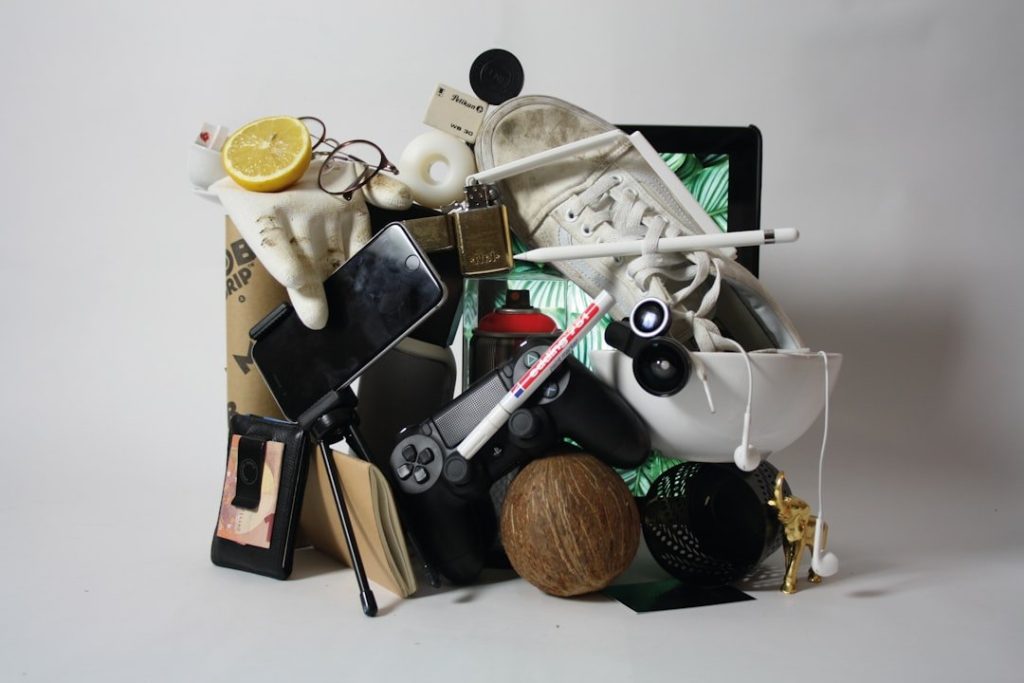
Clutter is more than just a collection of misplaced items; it is visual noise. Our brains are constantly processing our surroundings, and a chaotic environment provides an unending stream of stimuli. This sensory overload can be mentally exhausting, leading to decreased focus and increased cortisol levels, the body’s primary stress hormone. Every unfinished project, every pile of unsorted mail, and every overstuffed closet represents a tiny, unresolved task for your brain. It’s a constant, low-level reminder of things you “should” be doing, creating a background hum of anxiety that drains your cognitive resources.
Furthermore, clutter can make you feel stuck. It symbolizes inertia and can reinforce feelings of being out of control in your own life. When you feel you cannot manage your physical possessions, it can easily translate into a belief that you cannot manage other aspects of your life, from your schedule to your goals. Decluttering, therefore, becomes an act of empowerment. It is a tangible way to demonstrate to yourself that you are in charge, capable of making decisions and creating order from chaos.
The Practical Path to a Decluttered Space
Beginning a decluttering project can feel daunting, but the key is to start small and be systematic. The goal is not perfection, but progress.
- Start with a Single Drawer or Shelf: Do not attempt to tackle your entire garage in one afternoon. Choose a small, manageable area. Successfully organizing a single junk drawer provides a sense of accomplishment that fuels motivation for the next task.
- Use the Four-Box Method: As you go through your items, have four boxes or bags labeled: Keep, Donate/Sell, Trash, and Relocate. This forces you to make a decisive choice for every single object. The “Relocate” box is for items that belong in another room, preventing you from getting sidetracked.
- Ask the Right Questions: When deciding whether to keep something, be ruthless. Ask yourself: Do I use this? Do I love this? Does this item add value to my life? If the answer is no to all, it is time to let it go. Be mindful of the “just in case” trap—holding onto things for a hypothetical future scenario that rarely arrives.
- Create a Designated Home for Everything: The final step of decluttering is organization. An item without a home will inevitably become clutter again. Assign a specific, logical spot for the things you decide to keep. This makes tidying up quick and effortless.
The Mental Liberation That Follows
As you clear your physical space, you will begin to notice a corresponding shift in your mental landscape. The most immediate benefit is often a significant reduction in anxiety and stress. With the visual noise quieted, your brain is freed from the constant, low-grade stimulation of clutter. This can lead to improved sleep, as a calmer mind finds it easier to unwind at the end of the day.
Your ability to focus will also sharpen. A clean, minimalist workspace, for instance, eliminates distractions, allowing your brain to channel its energy into the task at hand. You may find that your creativity flourishes in an uncluttered environment, as mental energy previously spent on managing chaos is now available for generating new ideas and solutions.
Perhaps one of the most profound mental benefits is the restoration of a sense of control. Decluttering is a series of small, deliberate decisions. Each item you choose to keep, donate, or discard is an exercise in intentionality. This process reinforces the belief that you are the author of your life, capable of shaping your environment to support your well-being and goals. It builds decision-making muscle and fosters a proactive, rather than reactive, mindset.
Cultivating Mindful Habits for a Sustained Peace
Decluttering is not a one-time event but the beginning of a more mindful lifestyle. To maintain the benefits, it is essential to develop daily habits that prevent clutter from accumulating again.
- The One-Minute Rule: If a task takes less than one minute to complete, do it immediately. This includes hanging up a coat, rinsing a dish, or filing a document. This simple habit prevents small tasks from snowballing into overwhelming messes.
- Implement a “No-Clutter” Entryway: Designate a spot for keys, mail, and bags as soon as you walk in the door. Sort mail immediately, recycling junk and dealing with important letters to prevent paper piles from forming.
- Practice Mindful Consumption: Before making a new purchase, pause. Ask yourself if you truly need the item and where it will live in your home. Adopting a “one in, one out” rule—where bringing a new item in means letting an old one go—can help maintain equilibrium.
- Schedule Regular Mini-Declutters: Set aside 10-15 minutes each week to do a quick sweep of a trouble area in your home. This consistent maintenance prevents clutter from ever reaching an overwhelming level again.
Your Space, Your Sanctuary

The journey to declutter your space is a deeply personal and transformative one. It is an investment not just in your home, but in your mental and emotional health. By consciously curating your physical environment, you are creating a sanctuary—a place that supports your peace, your focus, and your overall well-being. Remember, the goal is not a sterile, magazine-ready home, but a functional, peaceful space that reflects and nurtures the person you want to be. Start small, be kind to yourself in the process, and watch as the simple act of clearing your space helps to clear a path for a calmer, more focused, and more intentional mind.


