
Easy Self-Care Practices for Busy Days

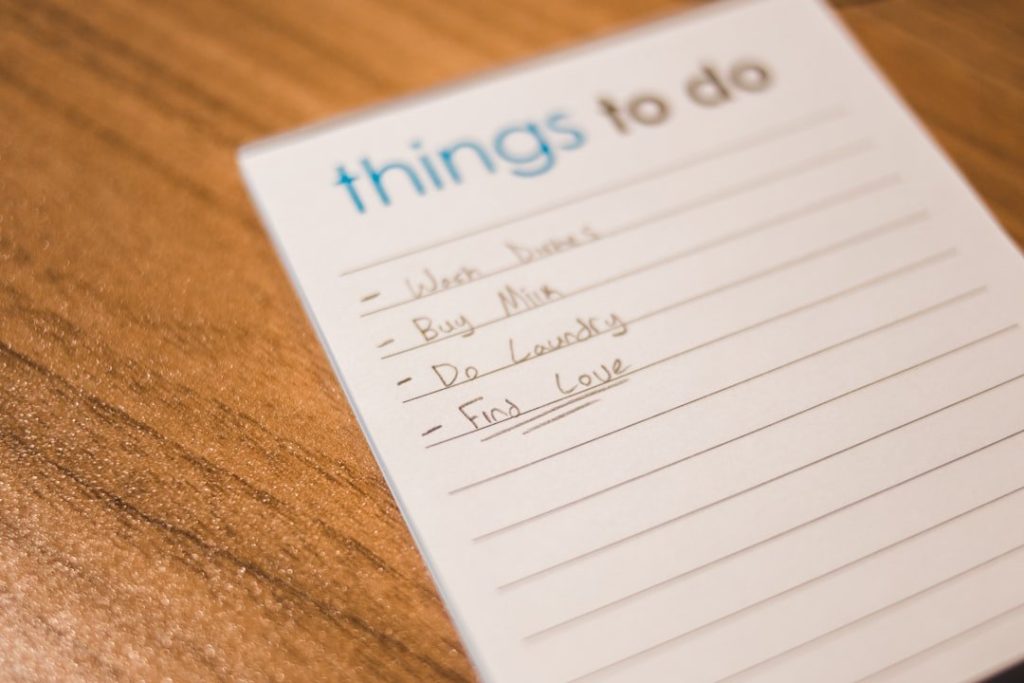
In the relentless pace of modern life, self-care often falls to the bottom of our to-do lists. We prioritize deadlines, social obligations, and family responsibilities, leaving little time for ourselves. However, neglecting self-care is like trying to drive a car on an empty tank; eventually, you will run out of fuel. The good news is that effective self-care does not require hours of spare time. By integrating small, intentional practices into your busiest days, you can replenish your energy, reduce stress, and improve your overall well-being.
Redefining Self-Care for a Busy Life
Many people imagine self-care as lengthy spa days, extended vacations, or hours at the gym. While these are wonderful, they are not always feasible. For a busy lifestyle, self-care must be redefined as small, consistent acts of kindness toward yourself. It is about the micro-moments you seize throughout the day to check in with yourself and meet your fundamental needs. This shift in perspective is the first step toward making self-care a sustainable part of your routine, not an occasional luxury.
Mindful Moments: Anchoring Yourself in the Present
You do not need a thirty-minute meditation session to experience the benefits of mindfulness. The core of the practice is simply bringing your full attention to the present moment. This can be seamlessly woven into the busiest of schedules.
- The One-Minute Breathing Break: Before starting a new task or after a stressful meeting, pause for just sixty seconds. Close your eyes and focus solely on your breath. Inhale slowly, feel your lungs expand, and exhale fully, releasing tension. This simple act can reset your nervous system.
- Sensory Grounding: When feeling overwhelmed, engage your senses. Name five things you can see, four things you can feel, three things you can hear, two things you can smell, and one thing you can taste. This technique pulls you out of anxious thoughts and back into your immediate environment.
- Mindful Commuting: Instead of scrolling through your phone, use your commute to simply observe. Notice the scenery, the feeling of the seat, and the sounds around you without judgment.
Nourishment on the Go: Fueling Your Body Wisely
When time is scarce, nutrition is often sacrificed for convenience. However, what you eat directly impacts your energy levels, mood, and cognitive function. Self-care means honoring your body with proper fuel, even when you are rushed.
- Hydration First: Keep a water bottle at your desk or in your bag. Dehydration can cause fatigue and headaches, making a busy day feel even harder. Set a reminder on your phone to take a few sips every hour.
- Smart Snacking: Prepare healthy snacks in advance. A handful of nuts, a piece of fruit, or pre-cut vegetables with hummus can provide a steady release of energy without the crash that comes from sugary alternatives.
- The Ten-Minute Meal: For a quick lunch, focus on simple combinations of lean protein, complex carbs, and healthy fats. A pre-made salad with grilled chicken, a whole-wheat wrap with turkey and avocado, or a bowl of yogurt with berries and granola are all excellent, speedy options.
Micro-Movements: Integrating Physical Activity
Exercise is a powerful stress reliever, but a busy schedule might not accommodate a full workout. The solution is to find opportunities for movement throughout your day.
- Desk Stretches: Set a timer to stand up and stretch every hour. Roll your shoulders, gently twist your torso, and stretch your arms overhead. This relieves muscle stiffness and improves circulation.
- Walk and Talk: If you have a phone meeting that does not require you to be at your computer, take it while walking around your home or office building.
- The Five-Minute Burst: If you find a small window of time, do a quick set of bodyweight exercises like squats, push-ups against a wall, or jumping jacks. This can boost your heart rate and release endorphins in just a few minutes.
Digital Detox: Creating Boundaries with Technology
In our hyper-connected world, one of the most profound acts of self-care is to consciously disconnect. Constant notifications and the pressure to be available 24/7 are significant sources of stress.
- Scheduled Scrolling: Instead of checking social media intermittently all day, allot a specific, limited time for it—for example, ten minutes during your afternoon break. This prevents the endless scroll from eating into your productive and restorative time.
- Notification Management: Turn off non-essential notifications on your phone. The constant pinging pulls your attention away from the task at hand and increases feelings of being overwhelmed.
- Wind-Down Ritual: Make the last hour before bed a screen-free zone. The blue light from devices can disrupt sleep. Instead, read a book, listen to calm music, or practice gentle stretching.
Emotional Check-Ins: Tending to Your Inner World
Self-care is not just physical; it is deeply emotional. A busy day can leave you feeling disconnected from your own feelings. Taking brief moments to check in can prevent emotional buildup.
- The “How Do I Feel?” Pause: Several times a day, ask yourself this simple question. Are you anxious, frustrated, tired, or calm? Just acknowledging the emotion without judgment can lessen its intensity.
- Gratitude Moment: While waiting for your coffee to brew or standing in line, mentally list three things you are grateful for. This practice shifts your focus from stressors to positives, fostering a more resilient mindset.
- Positive Affirmation: Keep a sticky note with a kind message to yourself on your computer monitor or bathroom mirror. A simple “You are doing your best, and that is enough” can be a powerful reminder on a tough day.
Creating Your Personal Self-Care Toolkit
The most effective self-care plan is a personal one. What works for one person may not work for another. Start by experimenting with the practices mentioned above. Notice which ones leave you feeling more centered and energized. Your goal is to build a personalized toolkit of five-minute strategies that you can deploy on any busy day. Remember, self-care is not selfish; it is essential. By consistently investing these small moments in yourself, you build the resilience and vitality needed to not only manage your busy life but to truly thrive within it.


