
How to Get Cheap Concert Tickets Online (2026 Guide)
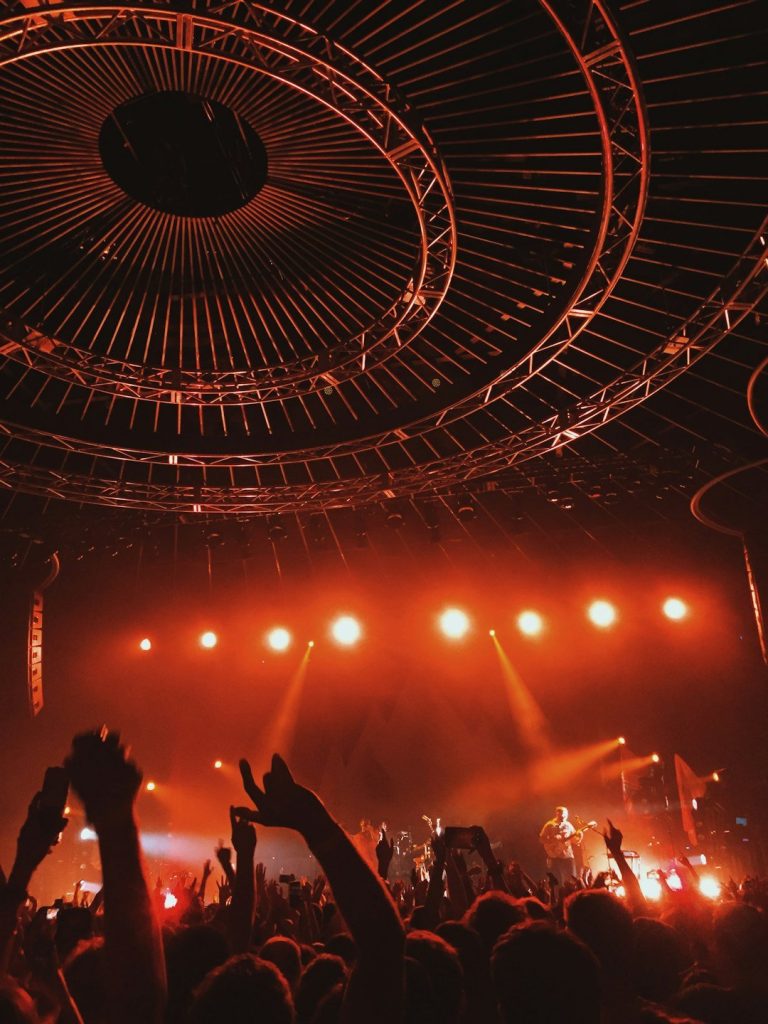
The final chord of the encore still hung in the air as Leo navigated the buzzing crowd towards the exit. The show had been phenomenal, a sonic experience that felt worth every penny. Yet, as he glanced at his phone’s banking app, a familiar pang of regret tempered his euphoria. The “penny” in question was nearly a week’s grocery budget, spent on a premium resale ticket after the official sale had evaporated in 47 seconds. Walking past the venue’s box office, he noticed a small, handwritten sign: “Limited number of day-of-show tickets released at 5 PM.” In that moment, Leo vowed his next live music adventure would be fueled by savvy, not just spontaneity. If you’ve ever shared Leo’s post-concert financial reckoning, this guide is for you. The landscape of ticket buying is perpetually evolving, and by 2026, securing affordable access to live music requires a blend of new technology awareness and timeless strategic patience.
Section 1: Mastering the Pre-Sale Ecosystem: Beyond the Fan Club Email
The initial onsale is often where the battle for affordability is lost. By 2026, the “pre-sale” has fragmented into a multi-layered gateway system. Understanding and accessing its deepest layers is your first critical strategy.
The Tiered Access Model: Major ticketing platforms and artists now commonly implement a tiered pre-sale system. The publicly advertised artist or venue pre-sale is just the surface level. Deeper tiers include:

- Payment Method Pre-Sales: Partnerships with specific credit card networks (e.g., American Express Early Access) remain powerful but are being joined by fintech and “buy now, pay later” service exclusives. Proactively linking these payment methods to your ticketing account profile before the sale date is essential.
- Local & Affinity Pre-Sales: Often unadvertised broadly, these are tied to your geographic location (using IP address or billing zip code verification) or membership in unrelated organizations (e.g., museums, alumni associations). Research the artist’s team and venue partners for clues.
- The Data-For-Access Trade: A emerging 2026 trend is the “zero-cost” pre-sale access granted in exchange for explicit data sharing. This might involve completing a detailed artist survey, opting into a full marketing profile with a sponsor, or engaging deeply with content on the artist’s official app. The cost here isn’t monetary, but digital.
Actionable Insight: Do not rely on a single pre-sale code. Create a spreadsheet for high-priority shows listing every potential pre-source: official fan clubs, venue newsletters, local radio stations, corporate sponsors (e.g., beverage brands), and even the social media pages of the opening act. Entry points are more numerous but more niche than ever.
Section 2: The Strategic Wait: Leveraging Dynamic Pricing and Release Waves
The instinct is to buy immediately at any cost. However, strategic patience, informed by how ticketing algorithms behave in 2026, can yield significant savings.

Understanding “Second Wave” Releases: Venues routinely hold back blocks of tickets—for production holds, artist guests, and contingencies. These are almost always released in a second wave 24-72 hours after the initial onsale. Set a calendar reminder for this window. Furthermore, mobile-only ticket releases are becoming a standard anti-bot tool. Having the venue’s or promoter’s official app installed, logged in, and with notifications enabled can provide access to these exclusive mobile inventory drops.
Dynamic Pricing as an Ally: While variable pricing often drives costs up for high-demand moments, it can work in reverse. Algorithmic systems respond to real-time demand. For stadium or large arena shows that aren’t instant sell-outs, checking ticket prices on weekday afternoons (a low-traffic time for online shopping) can sometimes reveal temporary dips as systems adjust to perceived lulls. Tools like visual seat maps with historical price trackers are now integrated into some fan-to-fan resale platforms, allowing you to see if the price for section 203 is trending above or below its average.

The Day-of-Show Calculus: Leo’s box office observation remains valid but has digitalized. Primary ticketers now frequently release production-held tickets on their official sites/apps on the morning of the event. For sold-out shows, the legitimate fan-to-fan resale market (like the face-value exchange features embedded in Ticketmaster or AXS) sees a noticeable increase in listings—and occasional price reductions—from sellers whose plans change as the event approaches. Your vigilance must peak in the 6-12 hours before showtime.
Conclusion: From Consumer to Informed Participant
The quest for cheap concert tickets in 2026 is less about finding a single secret loophole and more about adopting an informed participant mindset. It requires recognizing that ticket distribution is a staged process with multiple entry points—from trading data for early access to understanding the algorithmic rhythm of secondary releases. The tools are more transparent than ever (price trackers, integrated resale maps), but they demand proactive engagement rather than reactive panic-buying.
Move beyond simply wanting a ticket; strategize for which phase of the sale cycle offers your best value opportunity based on your risk tolerance. Sometimes that means securing a seat in a deep-tier pre-sale; other times it means monitoring prices with disciplined patience until hours before the lights go down. By layering these approaches—mastering the nuanced pre-sale landscape and intelligently leveraging timing—you transform from a frustrated consumer into a strategic participant. Your next unforgettable live music moment shouldn’t be preceded by financial dread, but by the quiet confidence of having played the game wisely.